

The William Mongovan Invitational was held Saturday, April 20. Former Greenwich track coach William Mongovan was instrumental to getting CT women's track recognized in the middle and high school varsity level. The meet is for the girl teams only.
17 teams competed. Darien's Ali Meyers had a personal best in the 800m (2:33.7), coming in 4th place. Cam Meyer finished second in the 1600m (5:13.84) and first in the 3200m (11:40.44). The Wave also had a 4th in the High Jump (4-06).
Next meet is Darien at St. Joseph.

Darien girls lacrosse 2024 record goes to 4-2 after a heart-breaking home loss to St. Anthonys (NY), currently the top-ranked team in the nation per USA Lacrosse.
The Friars jumped out to a 3-1 lead by the third period before Darien scored to pull within 1. In the final minute of the third, St. Anthony scored and in the final 5 seconds Darien scored to end the quarter 4-3.
The Wave managed to tie things up in the fourth quarter, and it remained tied through 2 overtimes. The Friars were able to score the winning goal in the third OT to win 5-4.

Update of the Doubletree Hotel
Looks like the Norwalk DoubleTree will be closed for the foreseeable future.
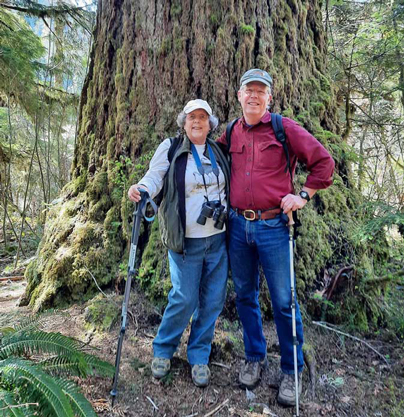
Classmate Susan Danvers in Olympia, Washington.

Darien Baseball/Softball
In girls softball, Darien is 4-4 after a red-hot start to the season. Darien had shut-out Bunnell in the opener 5-0, and had three more wins including two more shut-outs before losing to Ridgefield 2-1 and Norwalk 1-0. In a Westhill slugfest, Darien came up short 15-18 and lost to Wilton 2-3.
For the Blue Wave boys baseball team, after suffering an opening day loss to North Haven 5-6, Team Darien bats came alive and they are sitting at 6-2.
The Wave beat Wilber Cross 11-1, Stratford 12-1, New Fairfield 2-1, Stratford 10-1 (again) and Norwalk 5-3.
In a correction to an earlier story, Darien beat Westhill 10-0 before losing to Wilton 5-10.

Blue Wave Lacrosse
Darien boys lacrosse lost their first two matches of the season, against Fairfield Prep (7-8) and Brunswick in Greenwich (6-12).
The team is currently on a five game win-streak: against Manhasset (20-4), Ludlowe (18-4), defending State champs Staples (7-4), Yorktown (18-7), and Ridgefield (10-6).
Darien jumps to third place in the GameTimeCt State poll, behind New Canaan at 1 and Fairfield Prep at 2.
News from Junior High Friends:
Robin Saunders - For Women's History Month: Her athletic daughter is a triathlete and marathon runner (best time of 2:37) and CEO of WYN Republic, a women's triathalon clothing company based in Australia.
Rich "Tiny" Wendels - Sad news as reported by his sister Polly, Rich passed away just after his 73rd birthday. Dick will be remembered as a fun-loving and friendly guy. RIP.

Love to Hear From You!
Please, leave your remarks in the 'Comment' Section


The Work continues in Darien.
Corbin Drive on the left-side is nearly finished with numerous shops.
On the right, the Noroton Heights development next to Palmers is starting to show progress
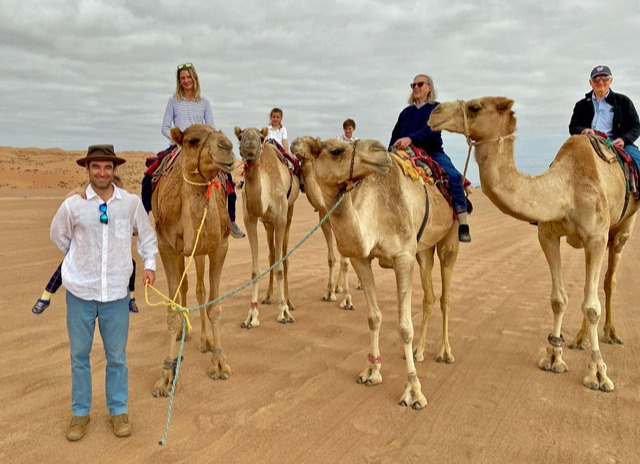
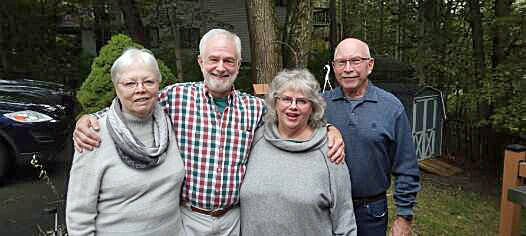
Classmate Gary Swartz (far right) and wife Sally send greetings from Oman. The couple have their daughter's family staying there for the US State Department. The UN considers Oman the most improved country in terms of development in the last 40 years and is the oldest independent Arab state.


Memorial Service
A Memorial Service will be held for Carolyn Schreiner Calder on May 7, 2024 in the Chapel of the Noroton Presbyterian Church at 2:00 pm.
Carolyn passed after a lingering illness on January 25, 2024. Please see the Memorials page of the website for a tribute to Carolyn by Penny Fox Parkin.
Do A 55th Reunion?
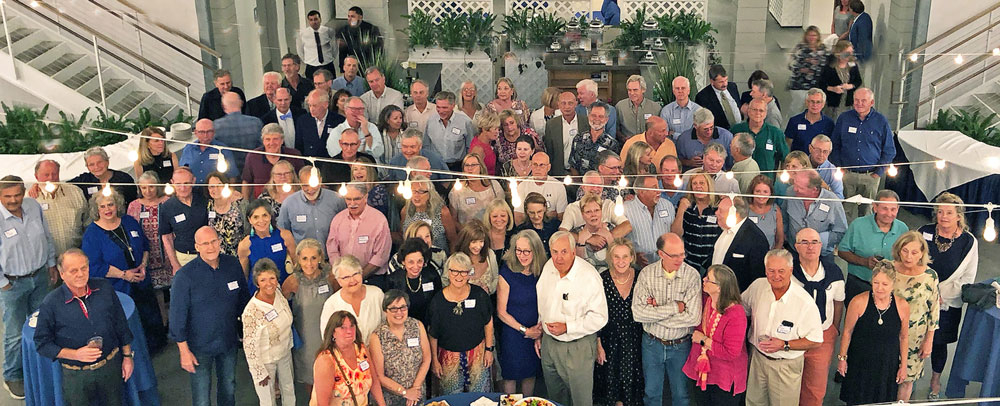
Lots of classmates are talking about holding a 55th reunion of the DHS Class of 1969. Probably something on the lighter-side, a casual Friday get-together and then a restaurant dinner Saturday night.
If this sounds good, you can contact classmate Jeff Myers, someone brave enough to put his name out-there.
Jeff can be reached at myerspercussion@gmail.com . Could be fun!

The CIAC State Open Indoor T&F was held on Saturday, Feb 17.
For the girls, the best CT team was Glastonbury HS. For 15 scored events, they finished with 52 points. EO Smith HS in Storrs was second (36) and Conard and Hall high schools, both in W. Hartford, tied for third with 32 points.
Darien tied with a number of schools at 26 with 4 points. The Wave's Julia Blake finished 4th in the 600m at 1:38.37.
For 2024, Blake's time of 1:37.76 at the FCIAC Indoor Championship is the fourth best recorded this season. Senior Cam Meyer's time of 5:01.58 in the 1500m at the North Shore Invitational is the ninth best time overall this season in CT. Darien girl's 4X400 relay time of 4:11.42 at the Yale Track Classic is the tenth best in the state this year.
In the State's Open boys events, Darien failed to score. The event was won by Windsor HS (45), Lyman Hall (38.33) and Danbury was third (36).
For the 2024 season, Darien did have a top ten finish. Senior Lucas Meier cleared 12'6" in the pole vault at the Class L Championships for tenth place.
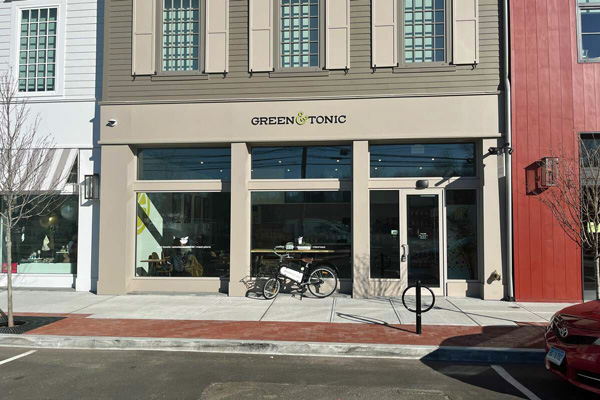
A new restaurant has opened in downtown Darien. Called Green & Tonic, it is located in the town's Corbin District, a development still in the works, including stores, restaurants and luxury apartments. The restaurant is a juice bar, coffee shop and plant-based restaurant that also serves smoothie bowls, salads and kelp noodle dishes.
On 7 acres within the heart of Darien, Baywater Properties is re-imagining downtown Darien — at The Corbin District — resetting the landscape of shopping, dining, lifestyle and entertainment. Baywater began this exciting transformation in 2019 with extreme attention to detail and a sharp focus on creating one of the most enjoyable and walkable downtown environments in the region
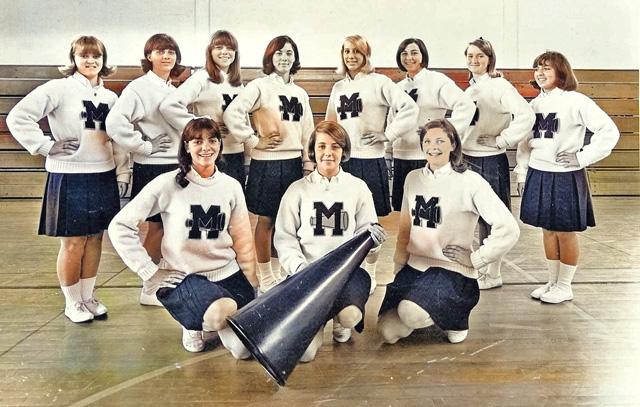
We know things are rough right now. So who better than some cheerleaders to keep up our spirits to finish the fight!
Front row left to right:
Anahid Kavookjian, Josie Mullen, Joni Dobson
Back row left to right:
Sue Geiger, Sharon Denunzio, Cinny Cobb, Sue Perschino, Peggy McNeil, Sue Venarde
Sandy Young, Carol Ann Augustus

Darien faced off against Wilton HS in the second match of the outdoor track season. The Darien boys won 79 – 49 and the girls beat Wilton 67 – 60.
In the 400 m, Darien boys took the top 6 positions, all runners with personal best times including Darien winner Bill Arrix (53.72). Lucas Meier cleared 12' to win the Pole Vault.
For the girls, Darien had the top three finishes in the 400m, with two DHS runners tying for first at 1:01.66. Senior Ali Meyer won the 1600m (5:13.36) and the 3200m (11:45.5).
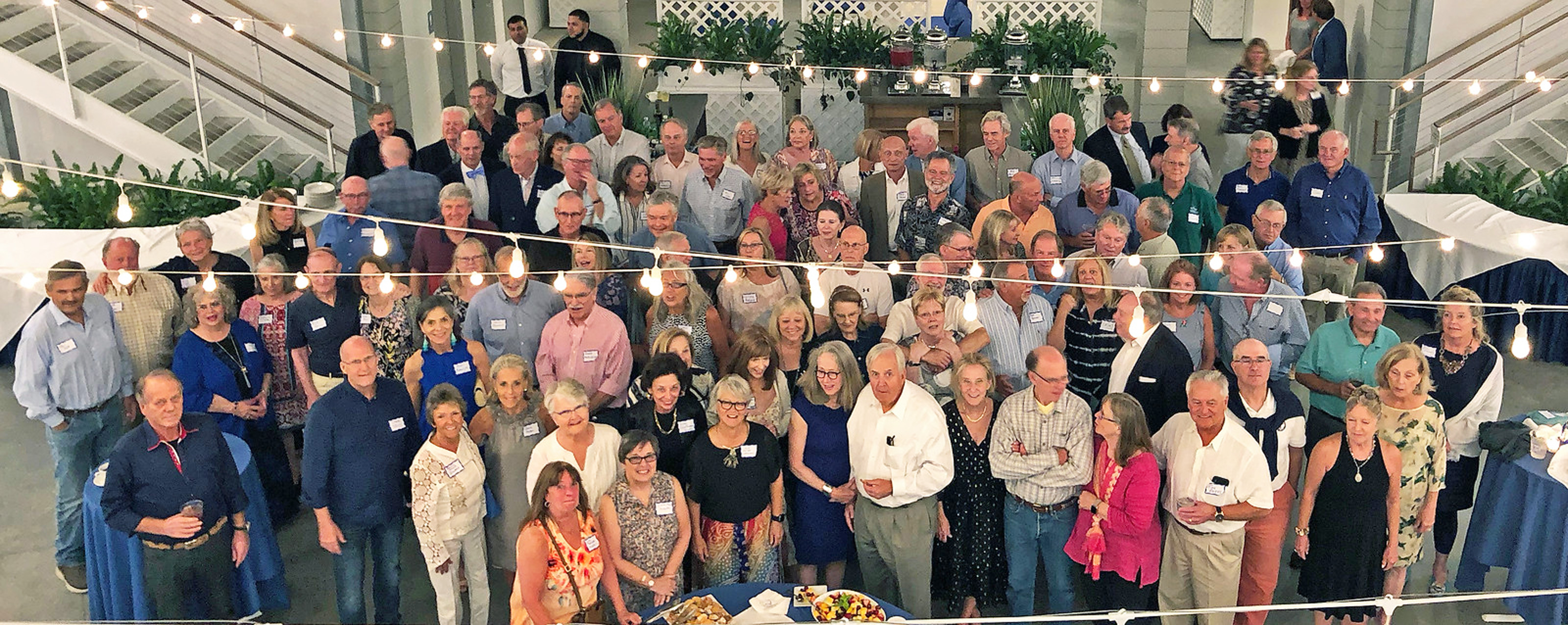
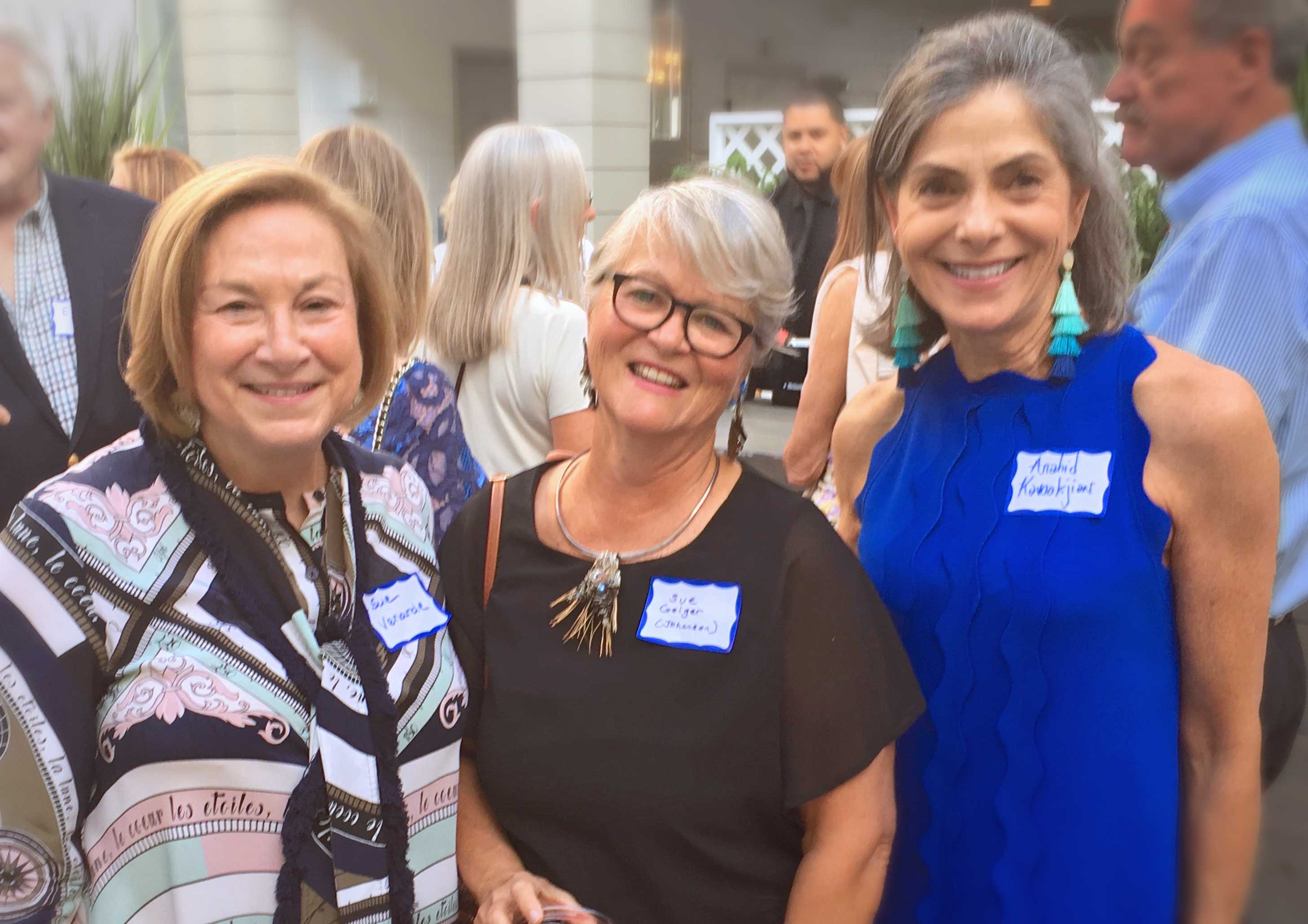

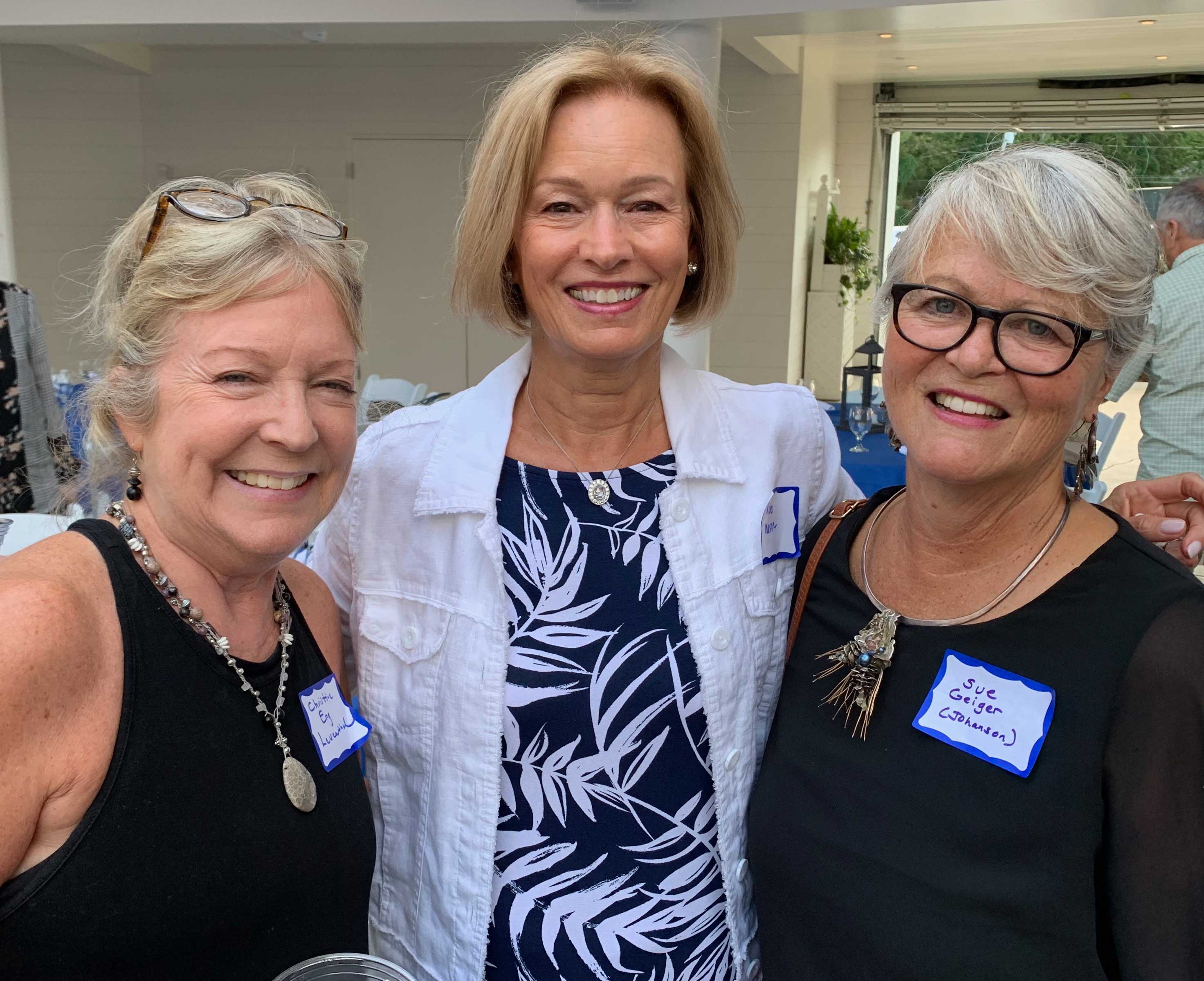

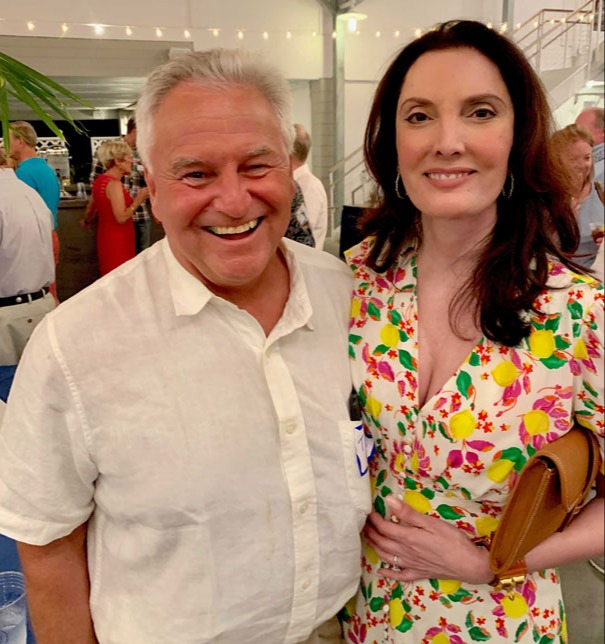

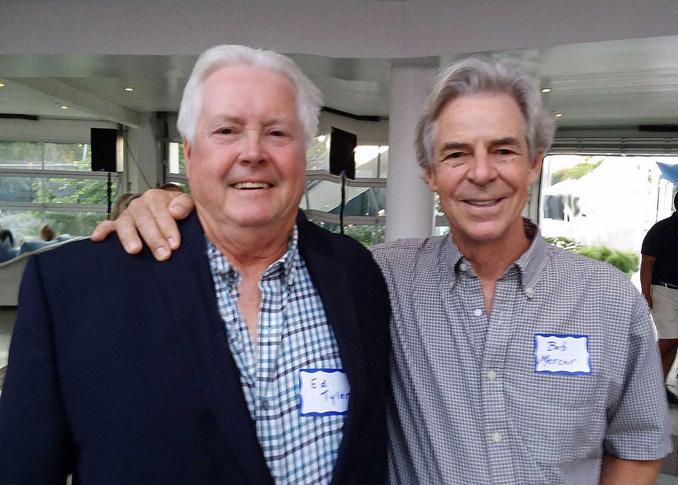
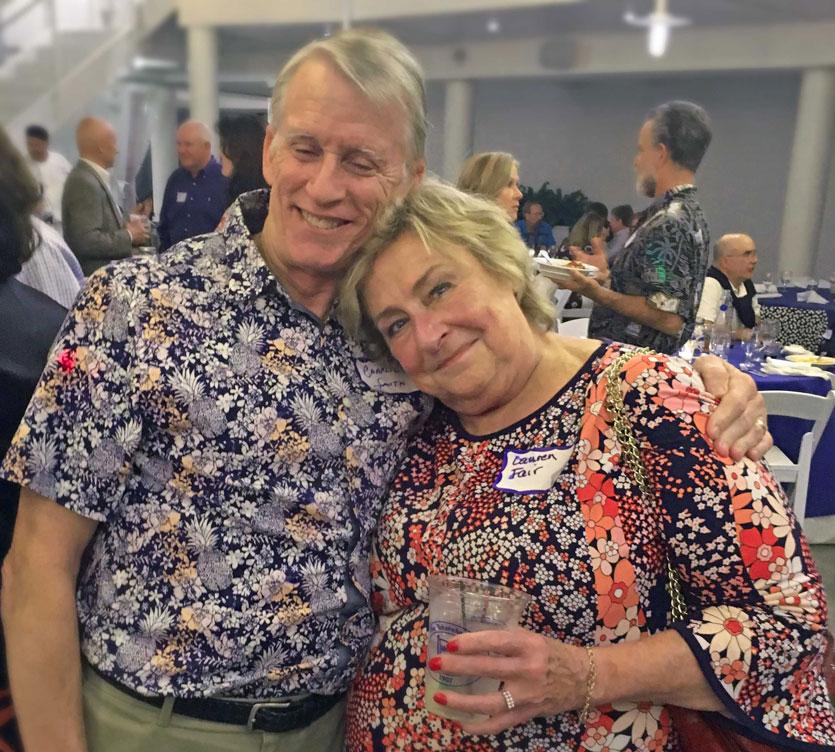

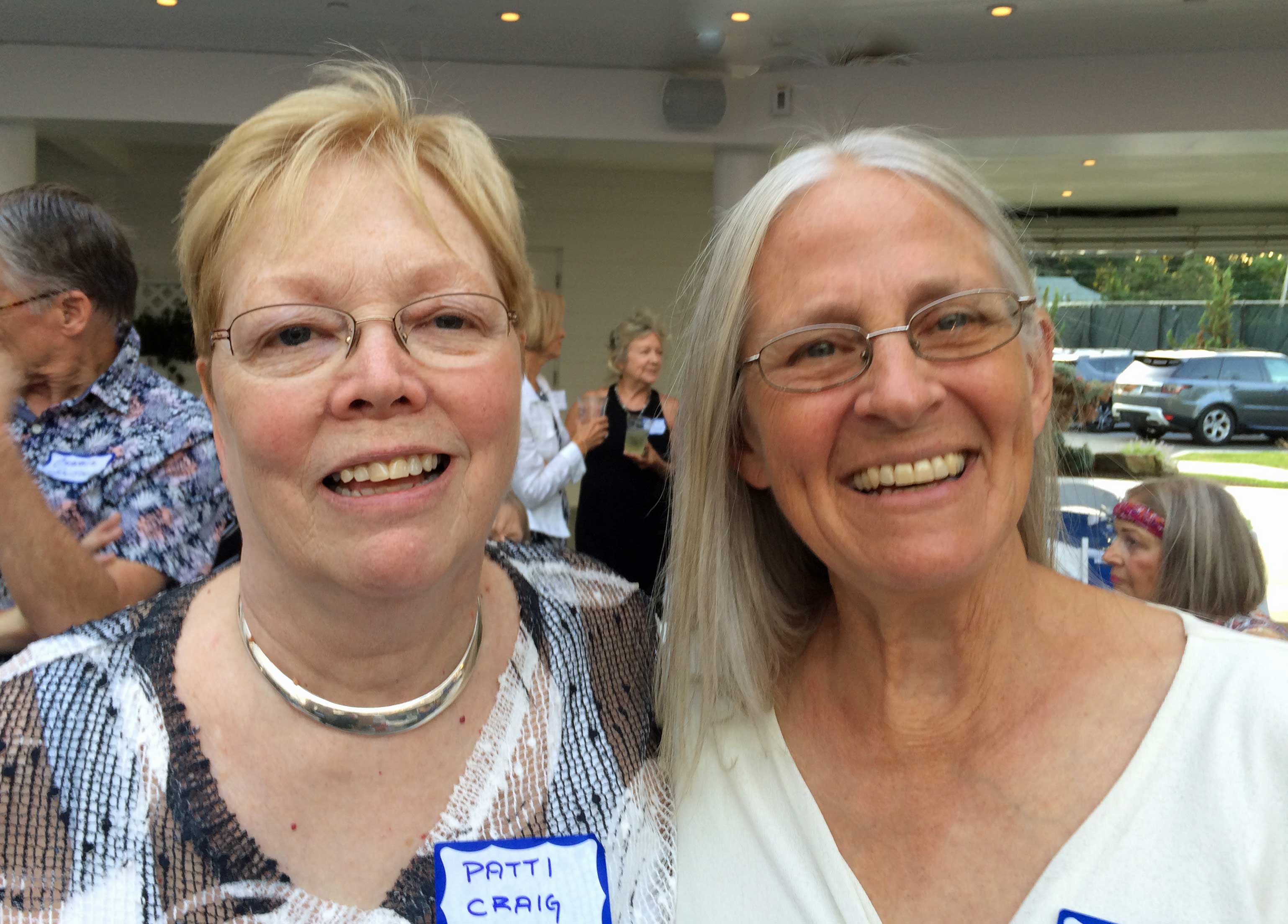
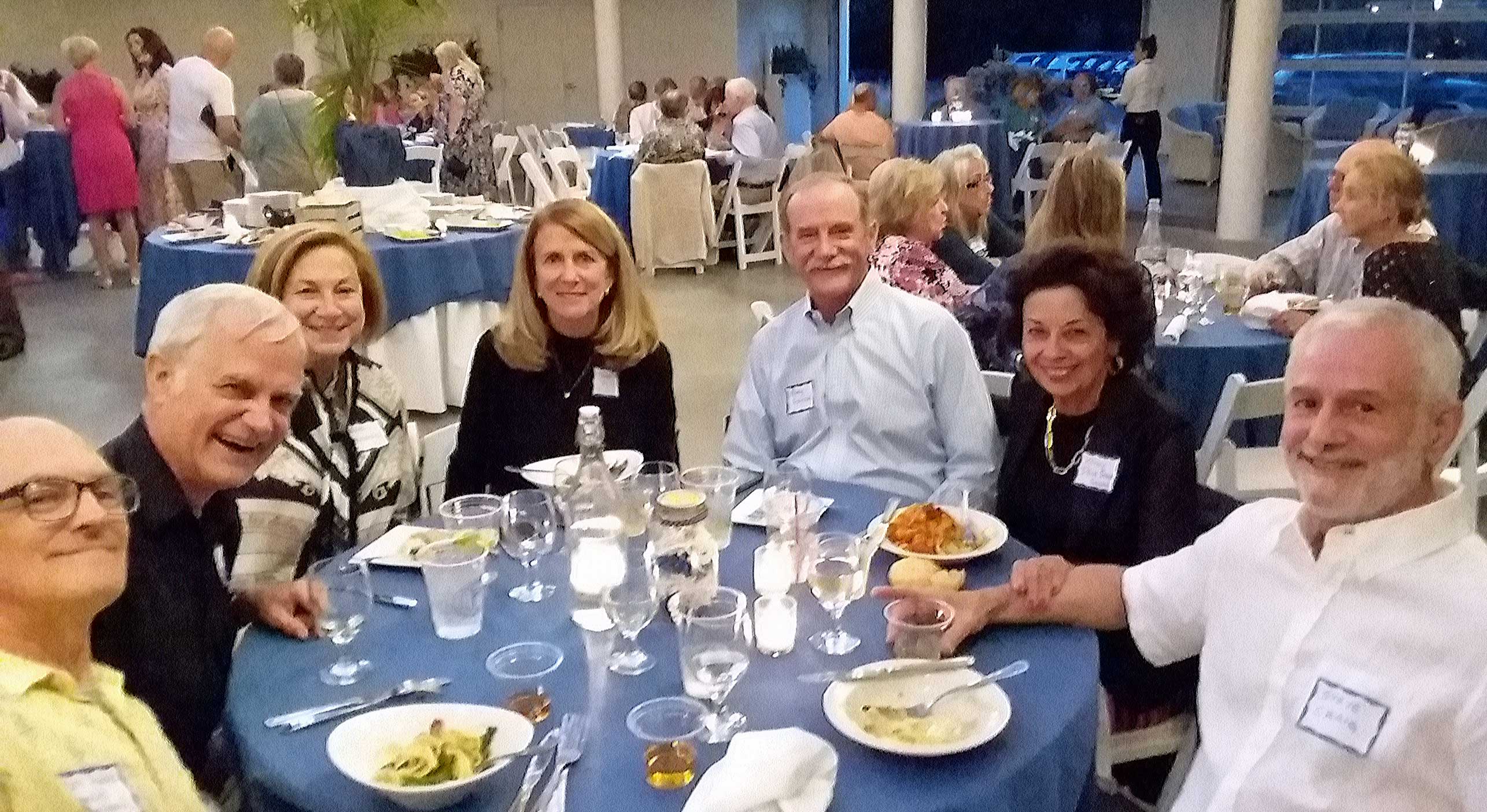

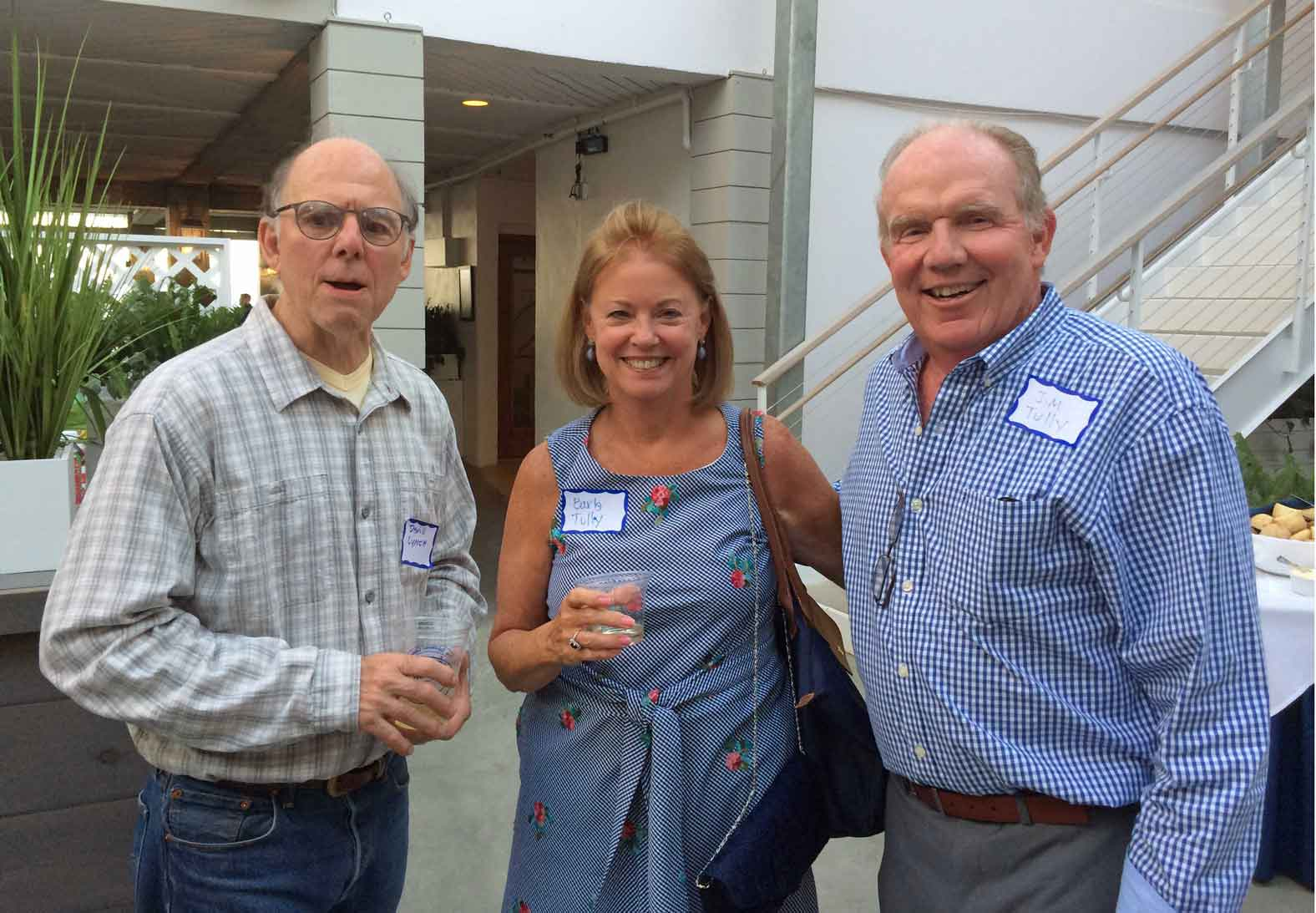

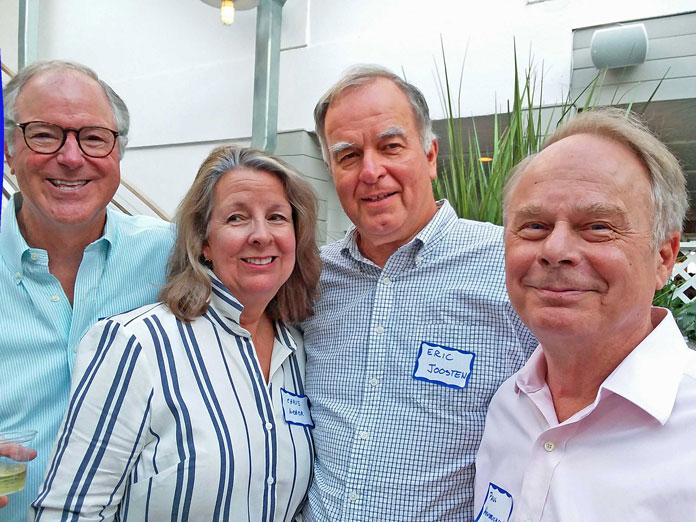

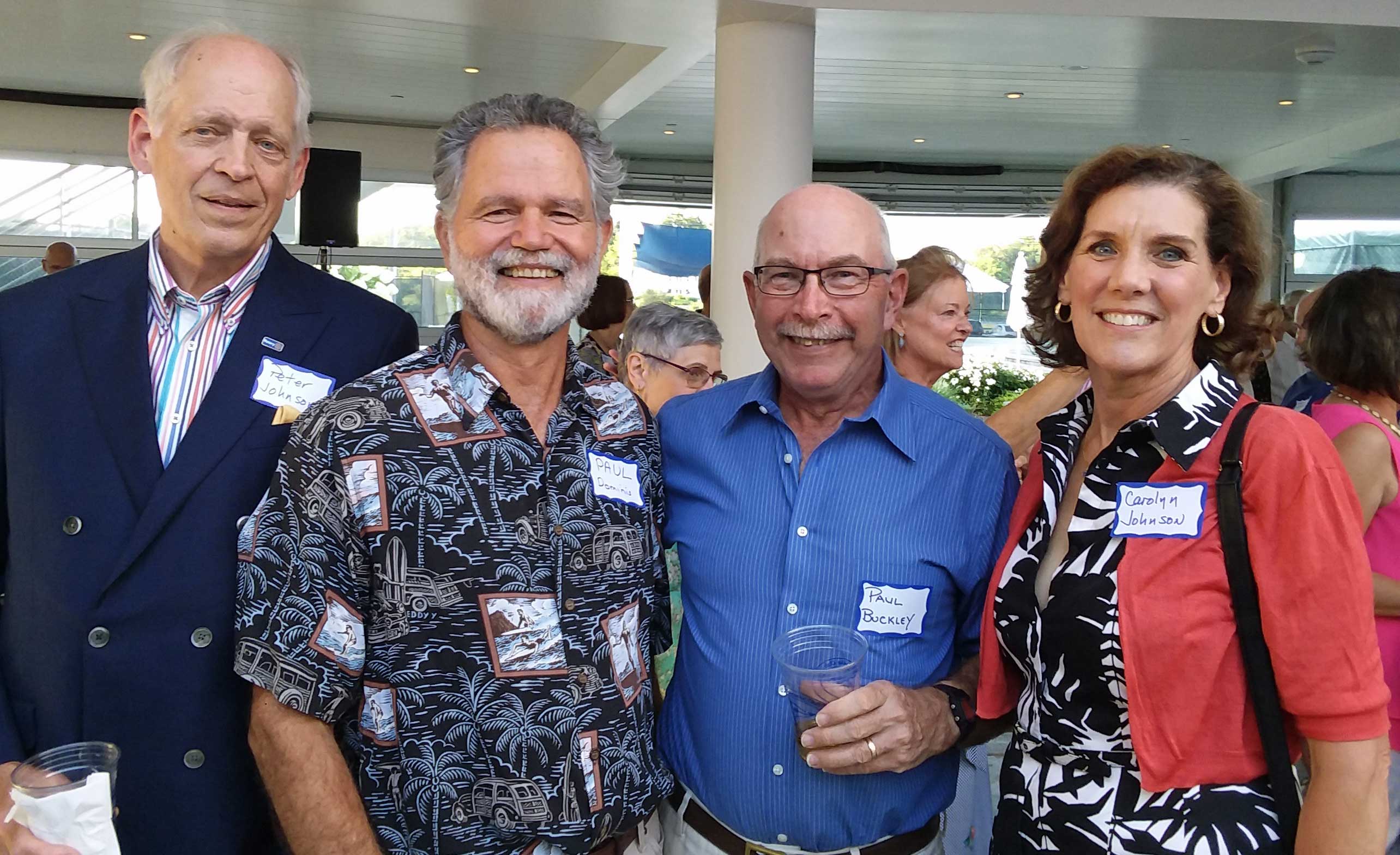

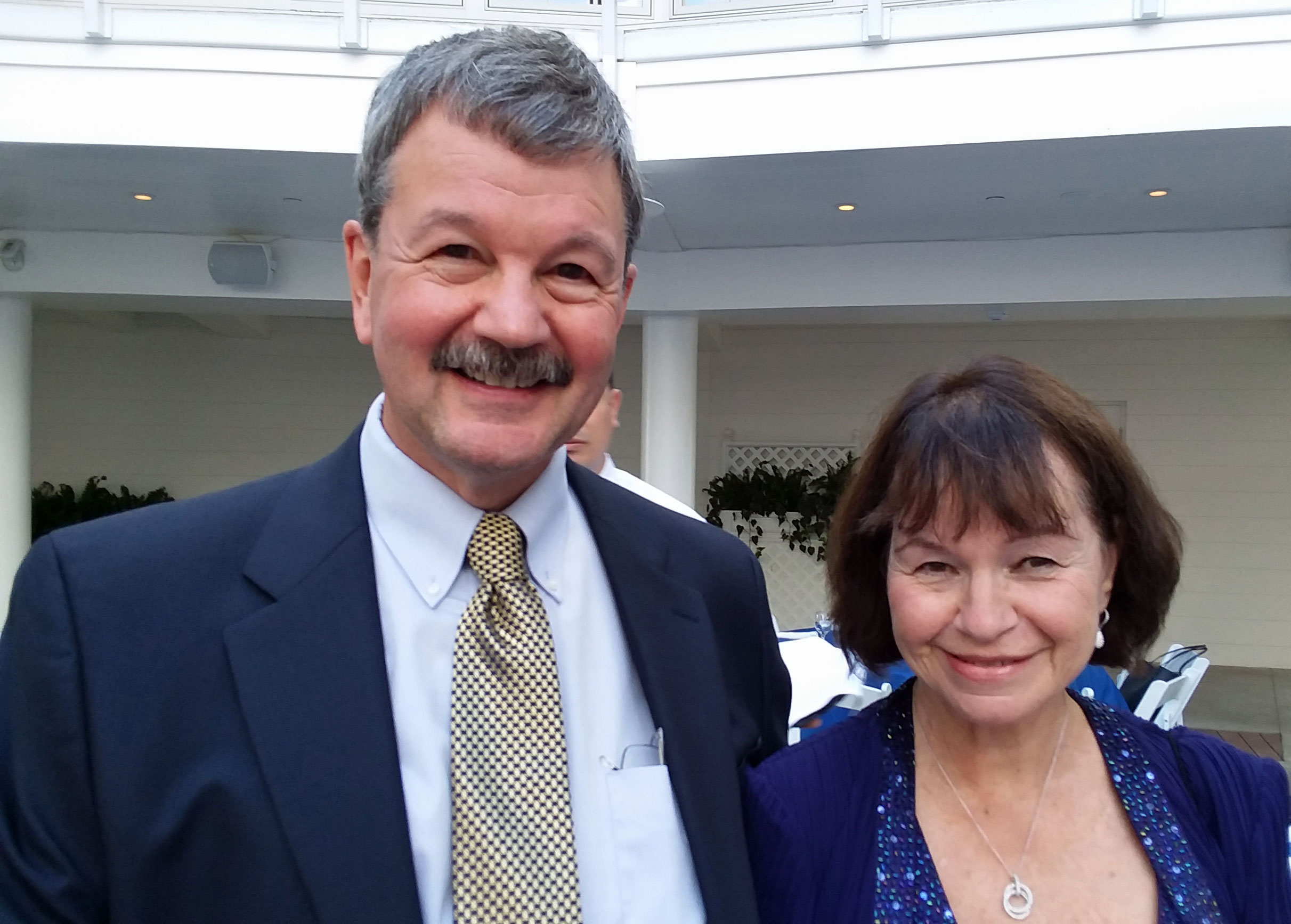

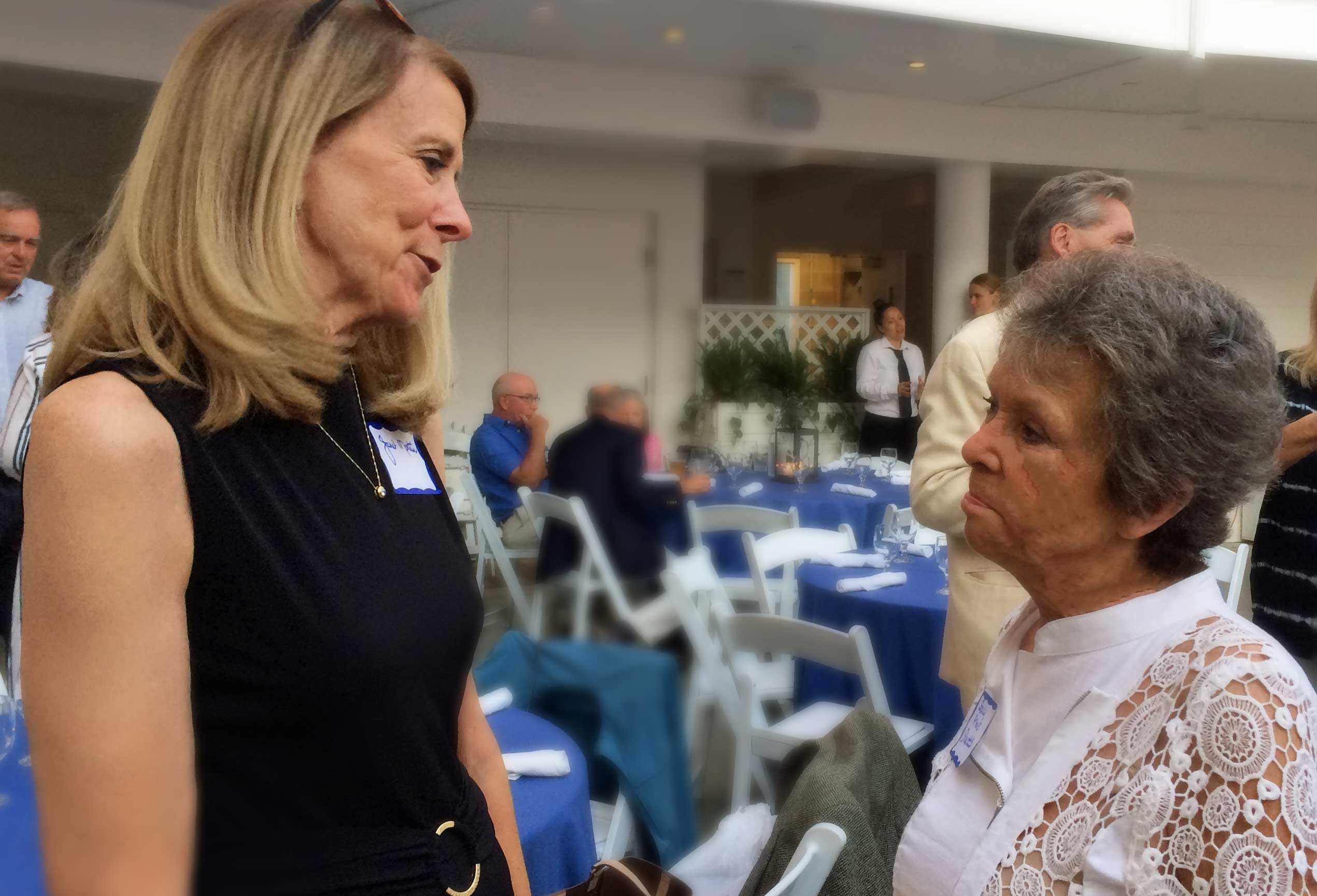
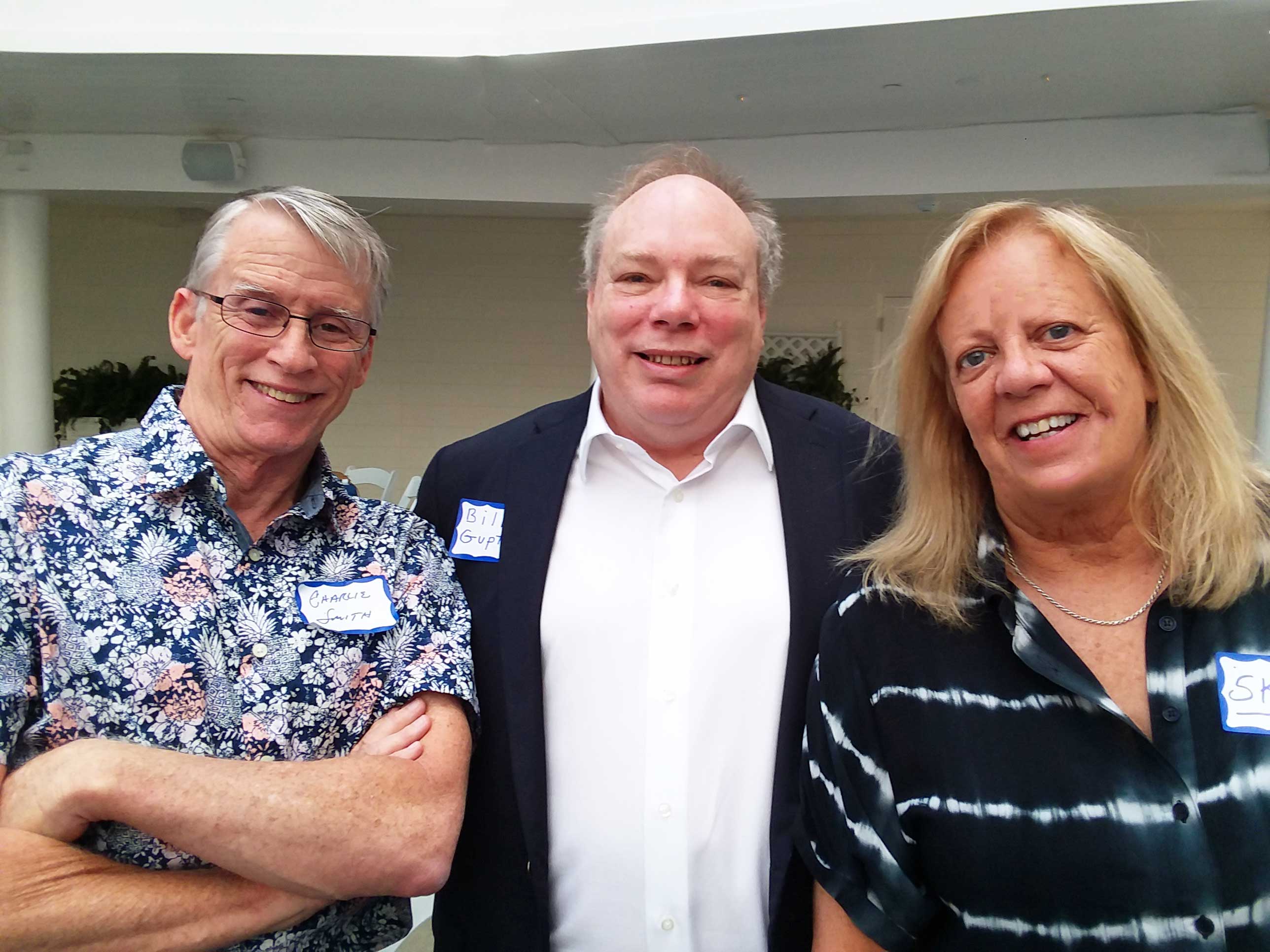


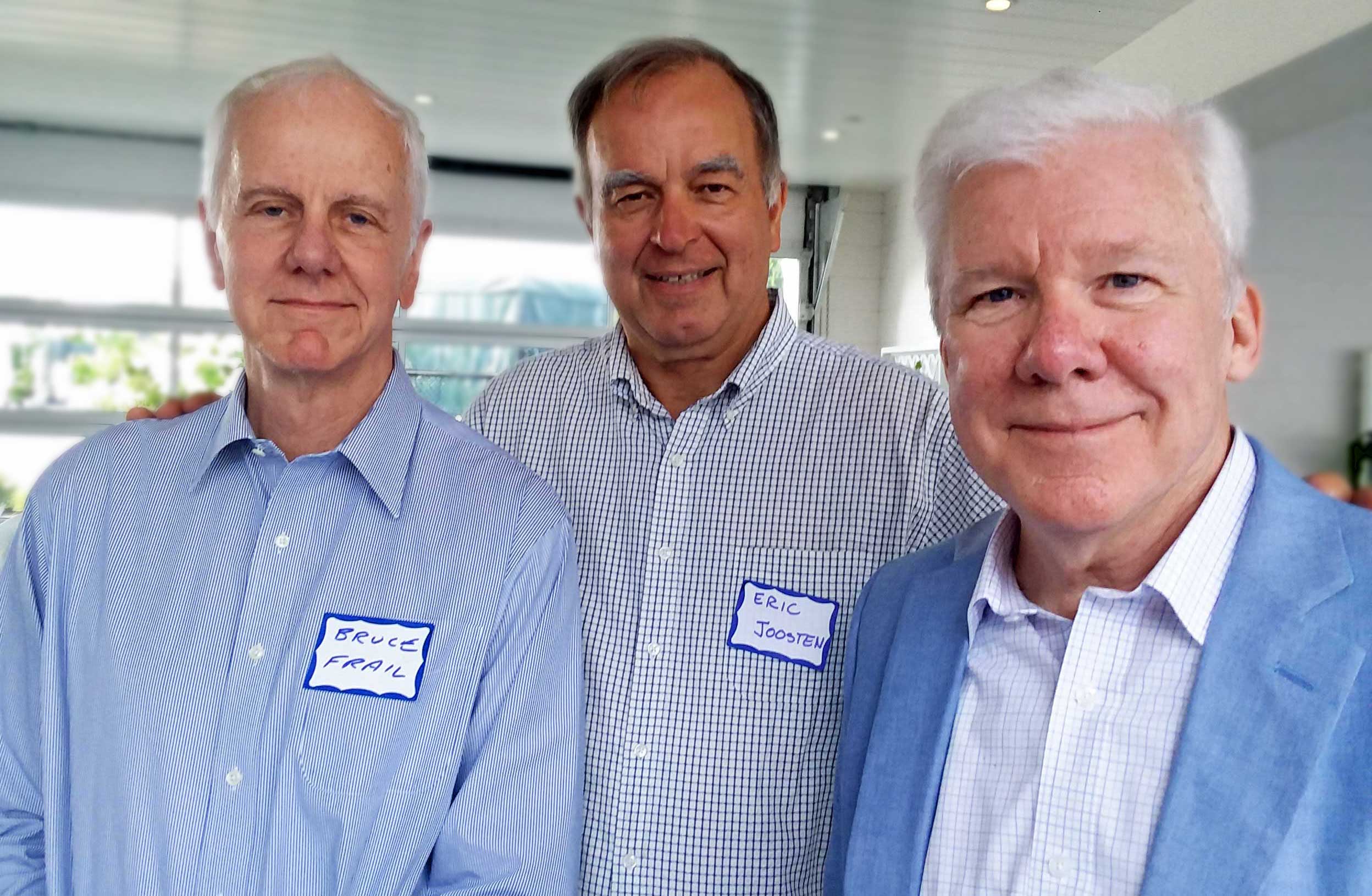
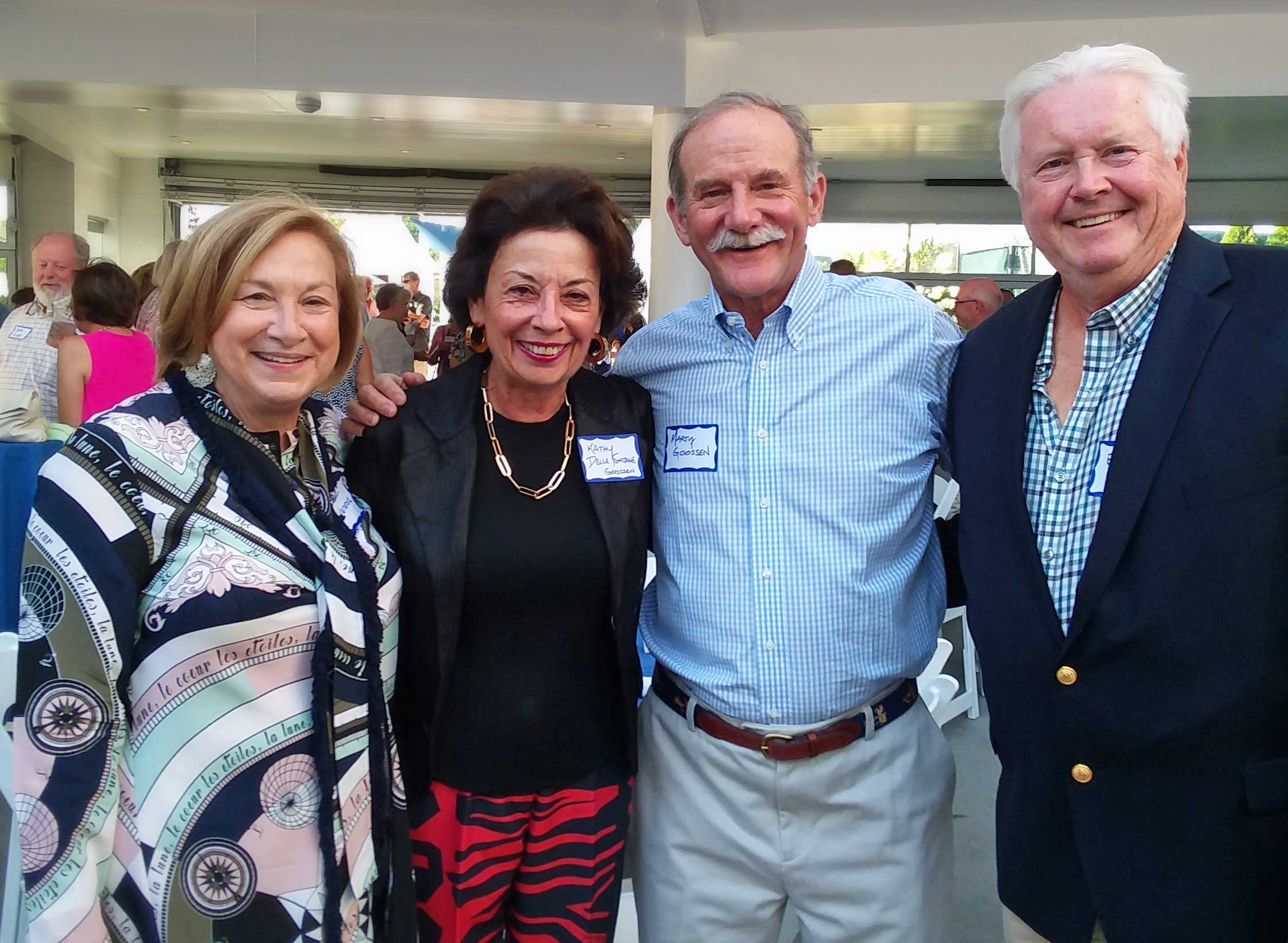

| Pete White | Dave Terry |
| Claudia Smith Davenport | Kathy DelleFontane Goossen |
| Dennis Gavin | Pete Johnson |
| Rick Poccia | Janet Martin Fisher |
| Mark Beckwith | Anita Conway |
| Bruce Frail | Paul Dominis |
| Patty Mazza Sturges | Sue Dickman Klein |
| Sally Armus | Christy Rodgers |
| Mardi Porter | Ed Tyler |
| Bill Guptill | Mark Blackman |
| Georgiana Smith Bloom | Kate Mason Gredinger |
| Pete Franklin | Gary Gibbs |
| Tom Lane | Billy Harper |
| Anahid Kavoojian Vrana | Dave Lynch |
| Lauren Fair | Jimmy Valente |
| Tim Potts | Casey Nickerson |
| Suzanne Nikola Baldino | John van den Heuvel |
| Jim Morrison | Chris Bischof |
| Josie Mullen | Paul Buckley |
| Johnny Maul | Skip Kennedy |
| Bev Bonfoey | Barb Thorne |
| Marni Kent Hansell | Bob Mercer |
| Bob Ierardi | Eric Joosten |
| Dennis Sullivan | Tom Milek |
| Gary Swartz | Dave Miller |
| Steve Verses | Jay Baker |
| Cliff Powell | Ann Back Price |
| Steve and Patti Craig | Anne Marie McGarry |
| Vandy Van Wagener | Bill Schade |
| George Farrington | Todd and Martha Robbins |
| Rick Weber | Jane Seyferth |
| Sue Venarde Mahoney | Mark Tinker |
| Joan Dobson Glazebrook | Paul Hendrickson |
| Sandy McGill | Ted Vanech |
| Jim Tully | Stu Traver |
| Dick Costello | Mike Lopriore |
| Charlie Smith | Chris Eng Leventhal |
| Jane Genster | John Wuerthner |
| Carol Ann Augustus Summers | Anne Irvine |
| Ken Broska | Paul Hepp |
| Dave Jefferson | Sue Geiger |
| Allison Poccia | Joanne Schoepf Reisser |
| Benny Bruno | Kyle Hepp |
| Kathy Strachan | Pam Burkhardt Mele |
| Peter Scholtz |
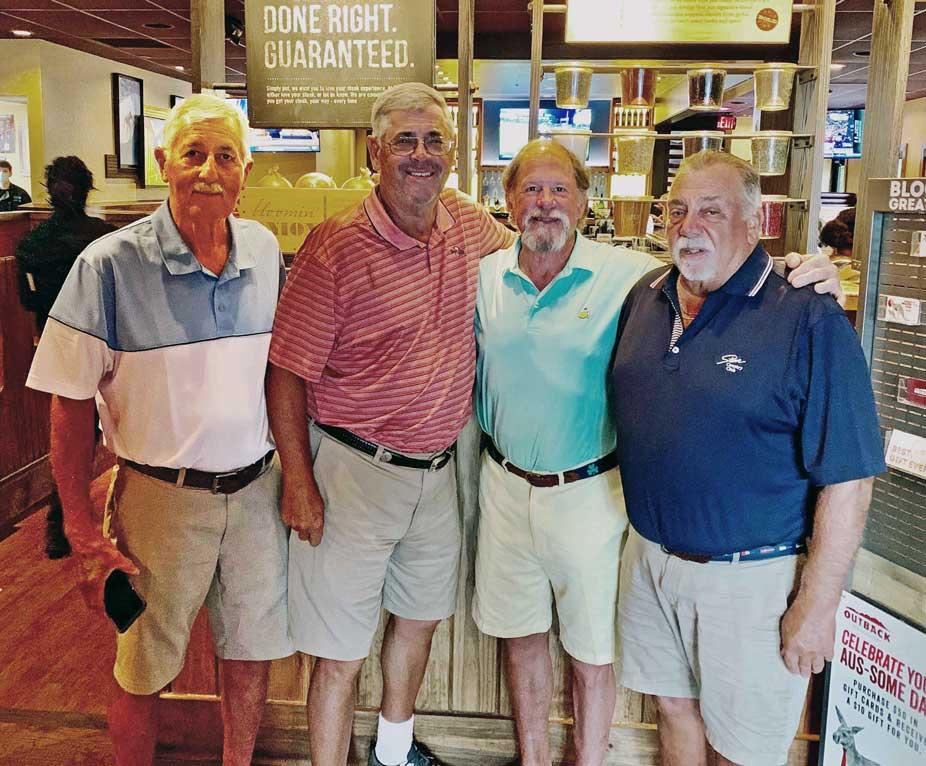
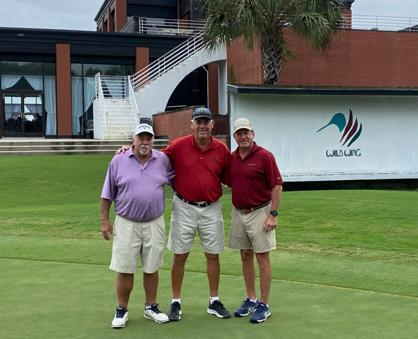
Great shot of classmates Kenny Peliksza, Mike 'Lope' Lopriore, Dick Costello, and Ben Bruno in Jacksonville. Nobody mentioned any golf scores but all were sad to see former Jax resident Paul Hepp leave for Texas.

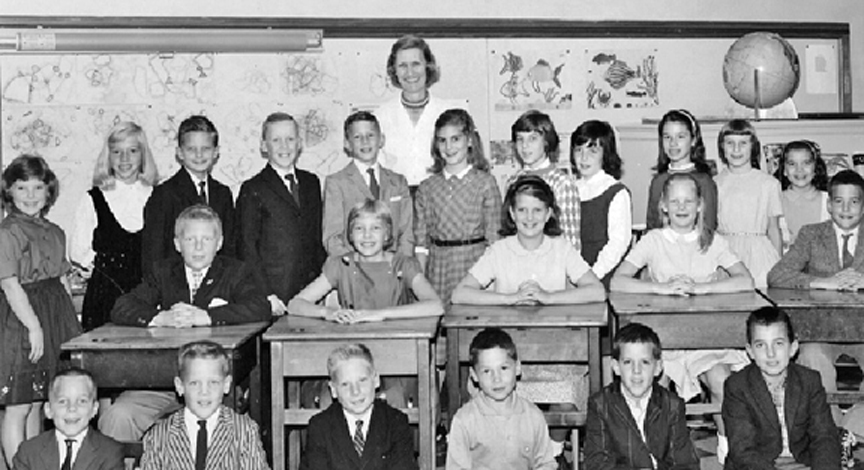
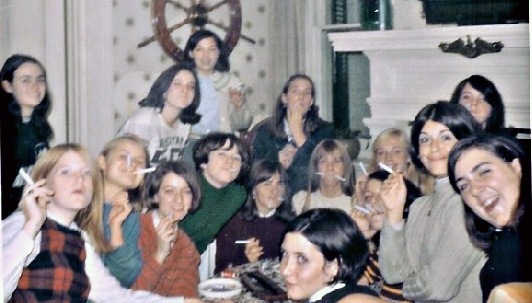


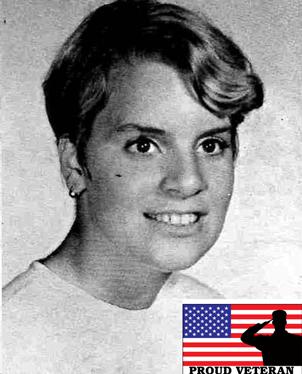
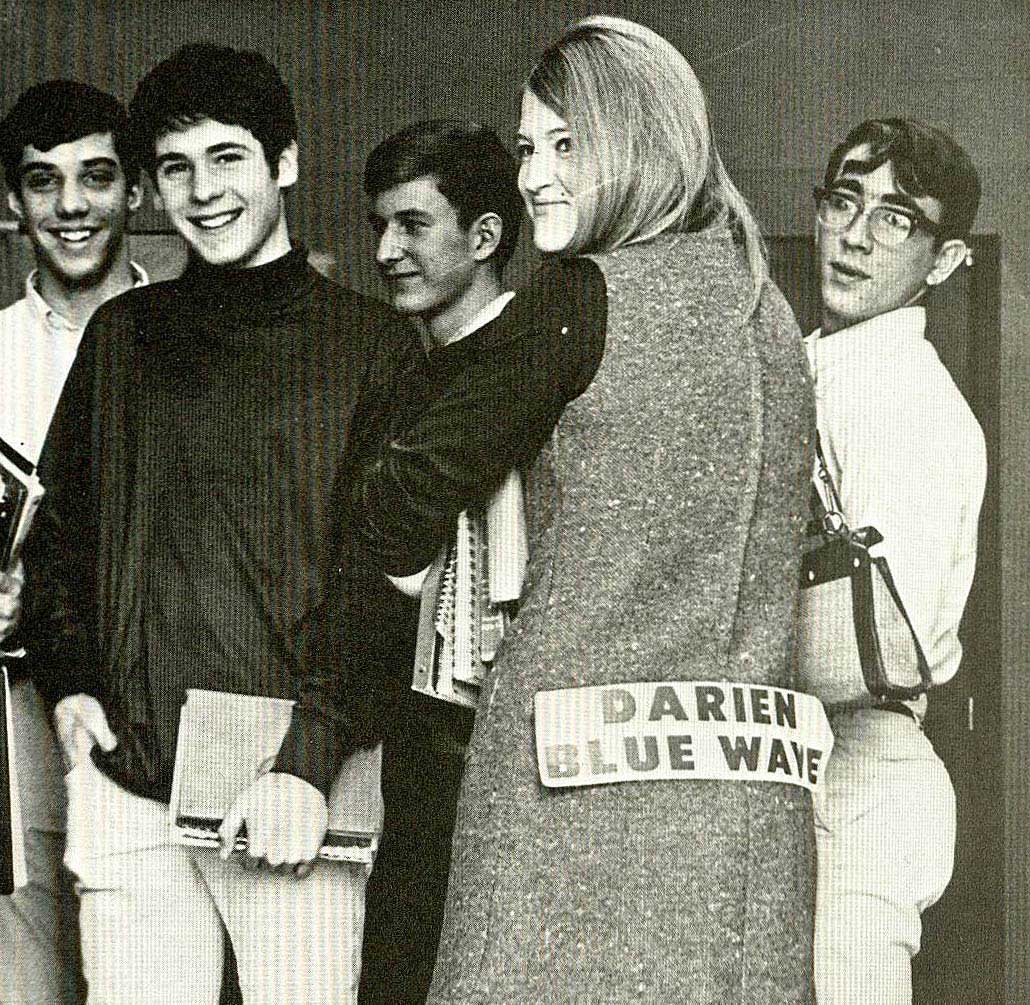
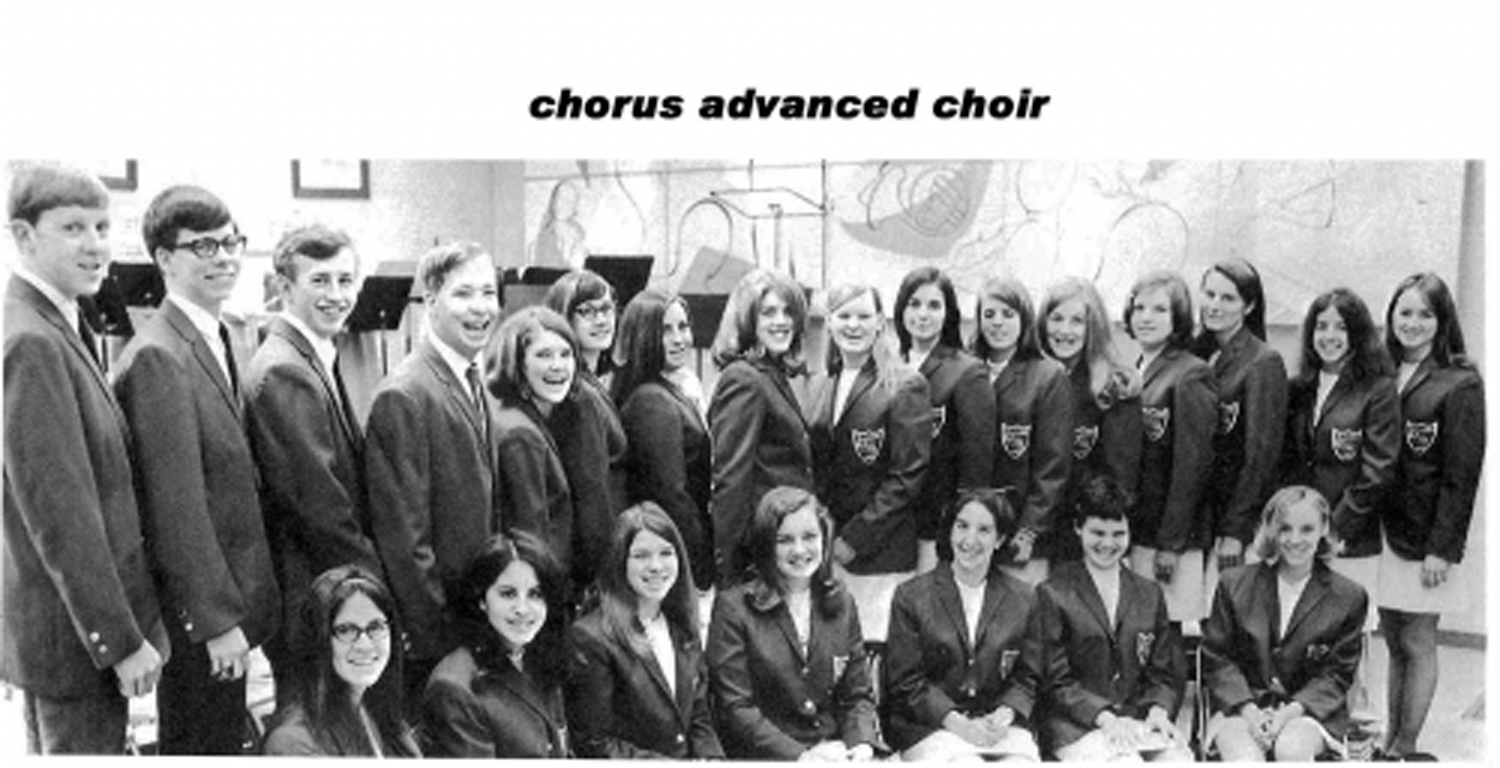
Choir
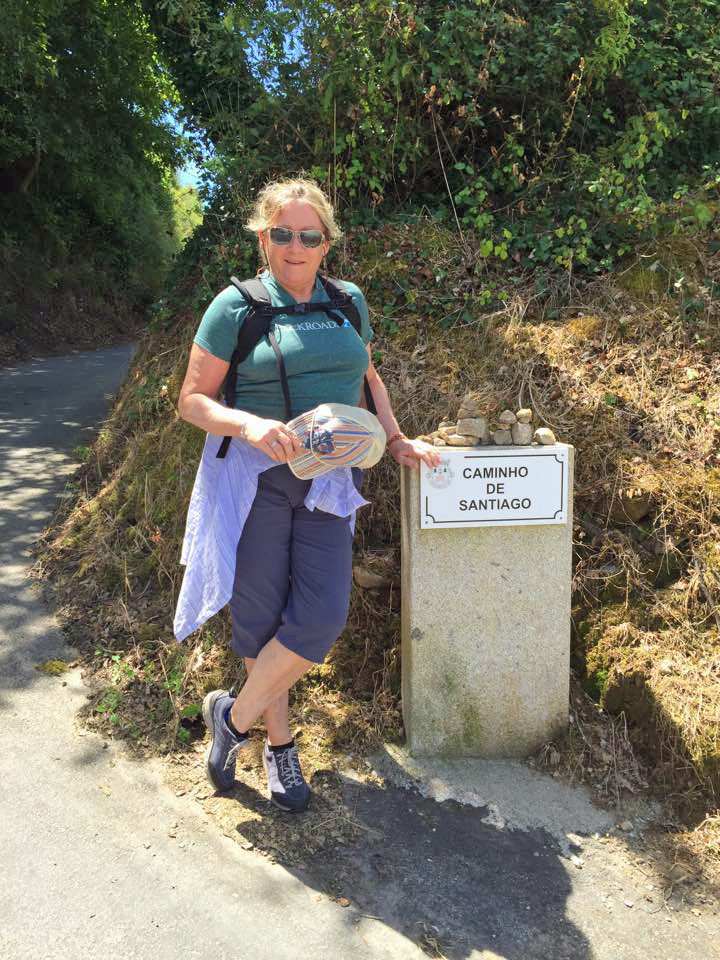
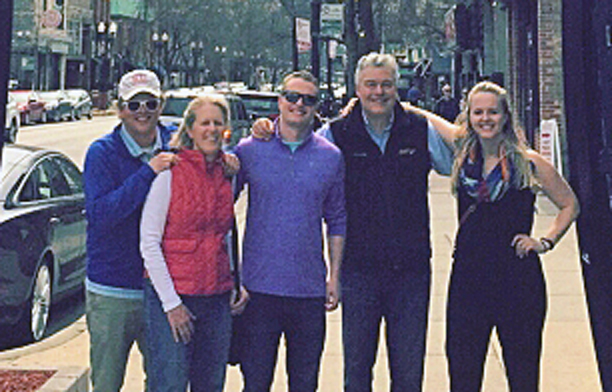

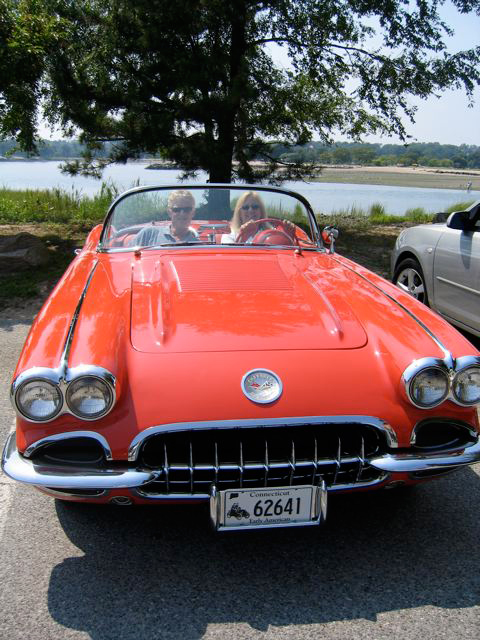
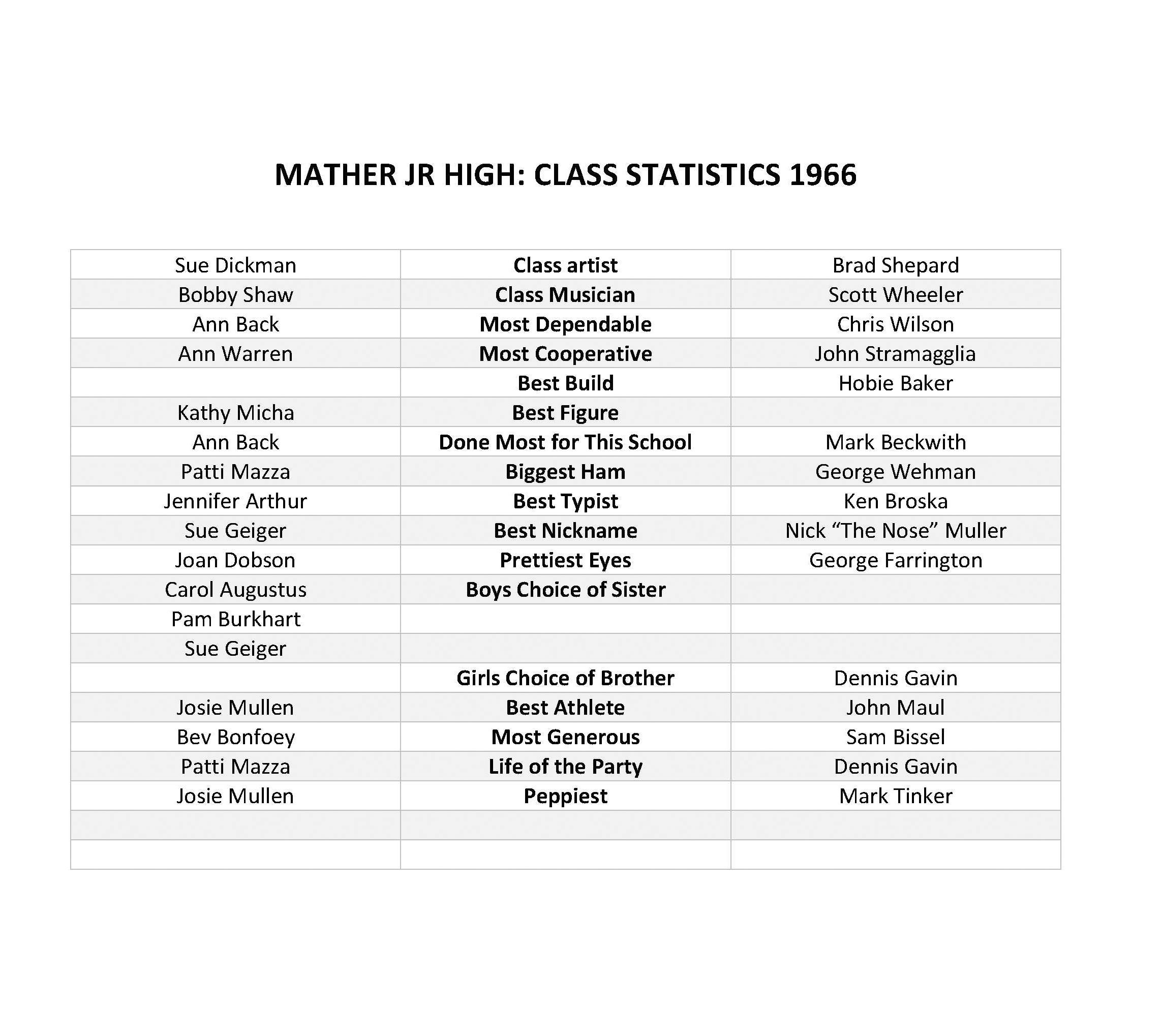
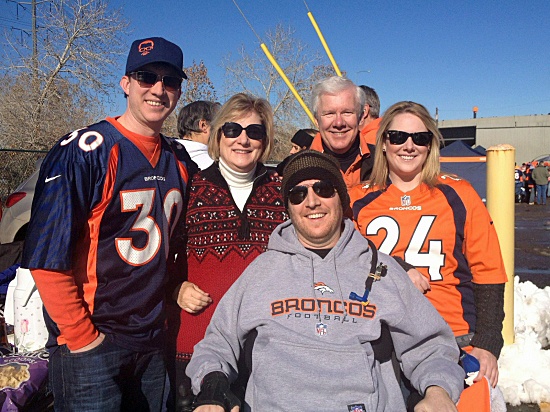
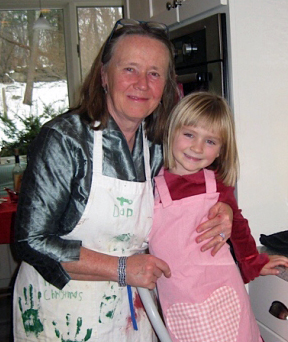
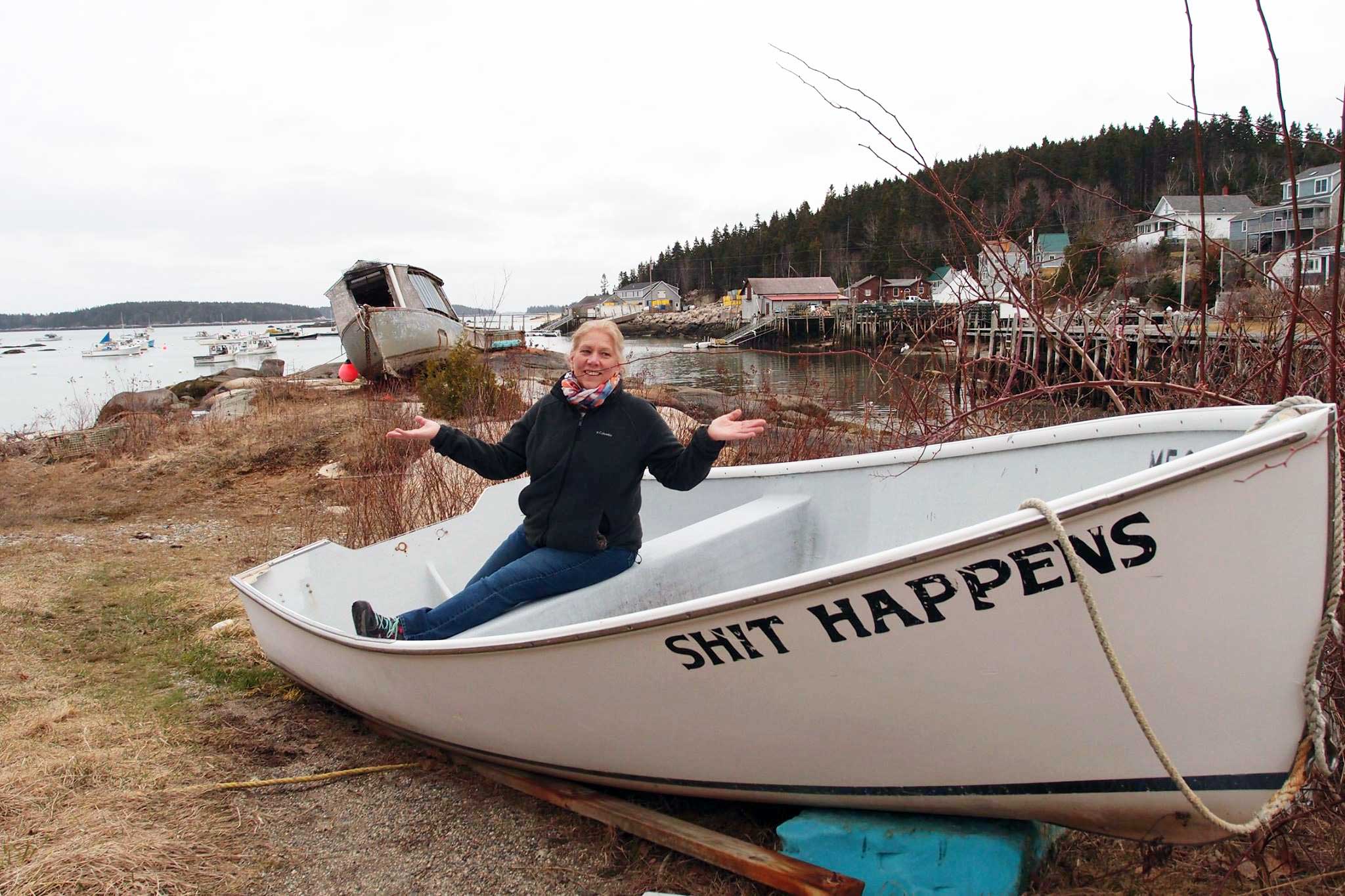
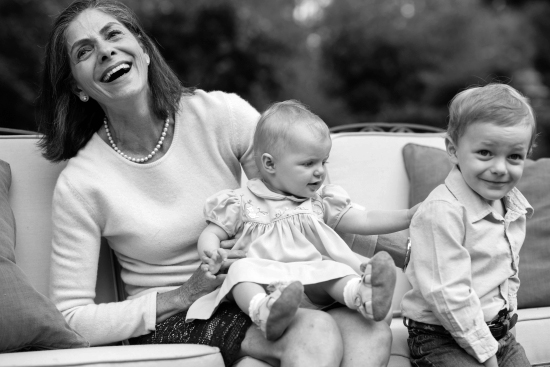

Steve and Patti Craig squishing apples from their apple trees. One year they report harvesting over 20 bushels of apples. (Note: 1 bushel = 48 pounds). The Craigbo Cider Co. made 16 gallons of unadulterated apple cider, while also donating apples to a local farmer and food pantry.
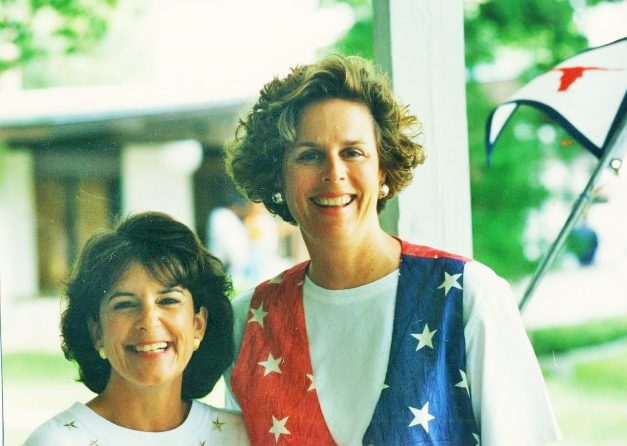
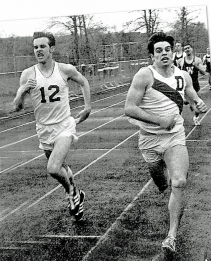

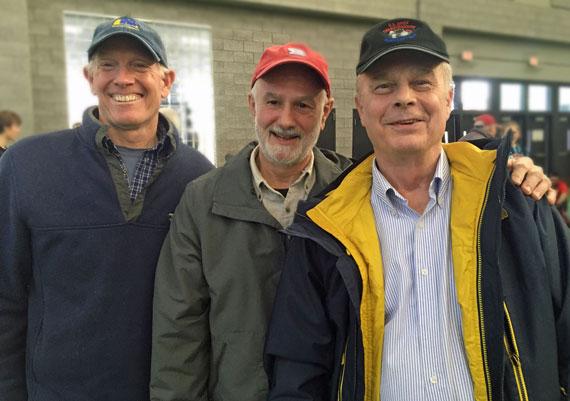
Terry Cummings, Tim Maul, Cliff Powell
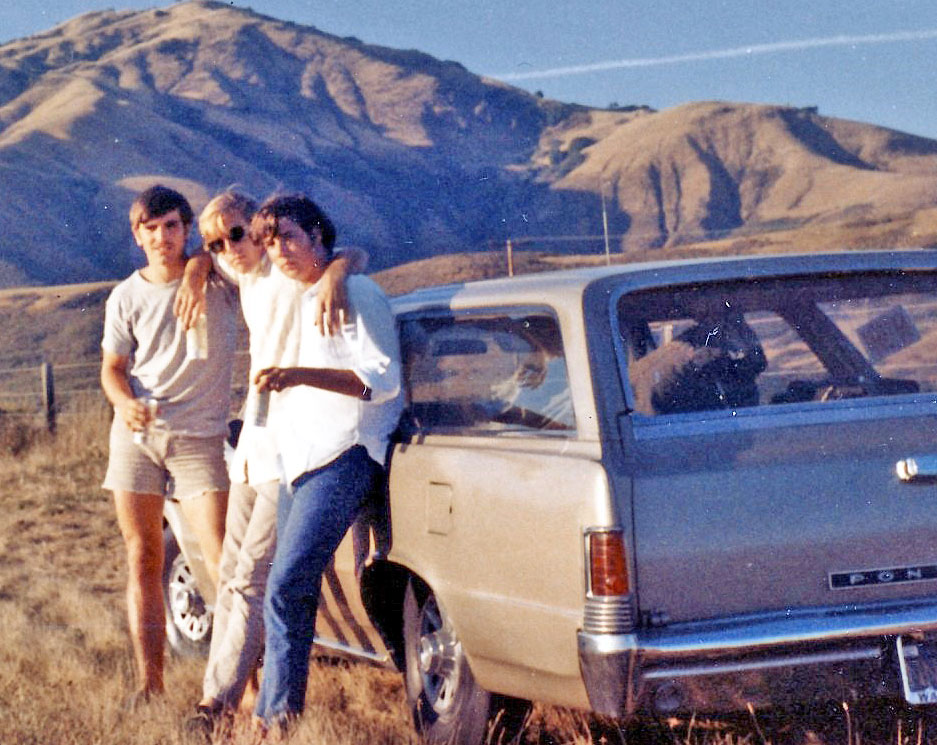
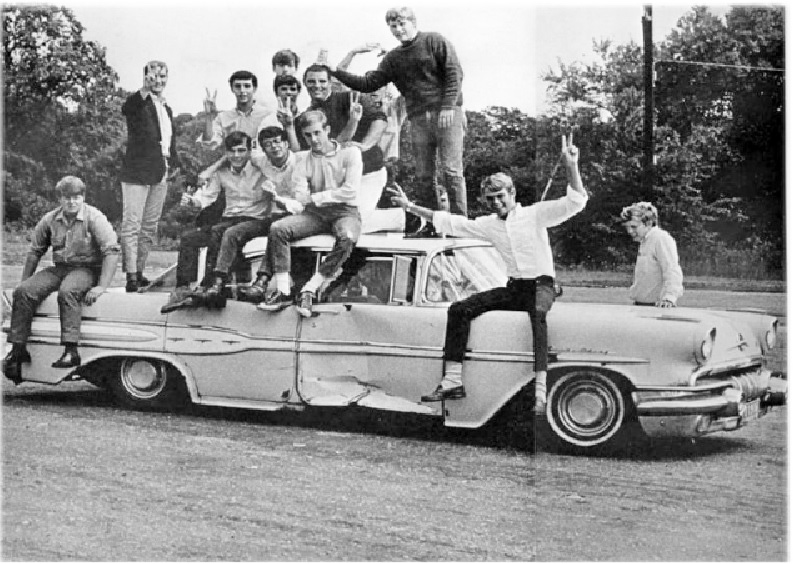
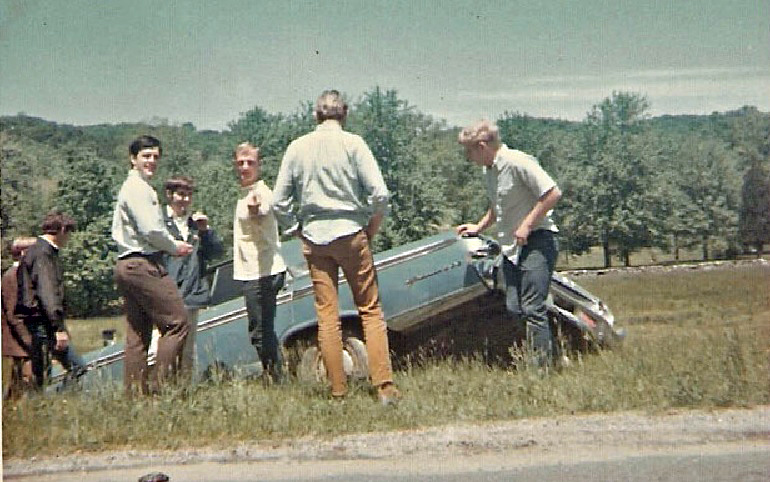
Shot of trip out west during summer of '69 when we hitchhiked to California. Mark Tinker's dad bought us the car to roam around California and back to CT. Thought I lost this. Great memories from that trip. Those were the days! -George Wehmann